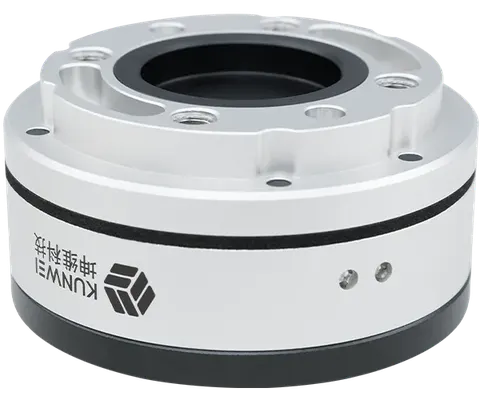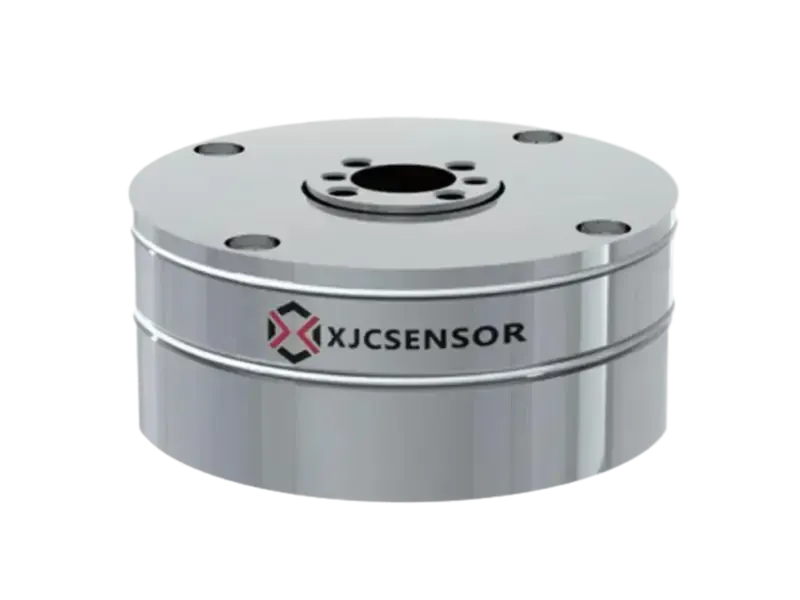
XJC X-6A 6-Axis F/T Sensor

Multi-range six-axis force/torque sensor family from a Shenzhen force-measurement house (in business since 2009), built on a dual-decoupling structure and offered in flange classes from ~62 mm to ~118 mm for robotics and automation force control.

QuoteQuoted per flange size and force/torque range variant · figures indicative · EXW China
Type6-axis F/T
Flange Classes≈62–118 mm (multi-range)
DecouplingDual-decoupling structure
InterfaceEtherCAT / RS-485 / USB
Price bandQuote
MOQ1 unit
Lead time3–5 wks
Warranty12 mo
Last verified: 2026-07† Manufacturer-reported, not yet independently verified.

Full specifications

Last verified: 2026-07
MECHANICAL
Flange Classes≈62 mm (D62-H27) to ≈118 mm (D118-H31)
Height≈27–31 mm (variant-dependent)
AxesFx, Fy, Fz, Mx, My, Mz
PERFORMANCE
RangeMultiple force/torque range variants — spec to task
DecouplingStructural + software dual-decoupling (maker-stated)
CharacteristicsHigh resolution, low nonlinearity (maker-stated)
INTERFACE
OutputEtherCAT / RS-485 / USB / analog options by variant
COMMERCIAL
Price bandPOA
MOQ1 unit

† Manufacturer-reported, not yet independently verified.

Fits with

Confirmed and manufacturer-claimed platform compatibility. We check your exact wrist and communication setup before quoting.

Robot wrists for assembly / grinding force control (adapter per arm)Automation and test rigs needing multi-axis force feedback

Supplier

Shanghai XJC Sensor Technology Co., Ltd. 上海鑫精诚传感技术有限公司Self-reported
Shanghai · est. 2009 · 100–500 employees

XJCSENSOR has focused on force measurement since 2009 and now offers a nine-model X-6A six-axis force sensor range from 9.5 mm to 100 mm diameter, plus X-ST joint torque sensors. All units use self-compensated resistance strain gauge technology and are supplied with force-control solutions to robotics and battery manufacturers worldwide.

View profile

Downloads

Datasheet (PDF)
available after supplier authorization

FAQ

How do I choose between the D62 and D118 classes?

The larger flange class carries higher force/torque ranges and mounts to larger wrists. Match the range to your peak loads and the flange to your robot's tool plate — send both on the RFQ and we confirm the variant.

What must the RFQ include?

Per-axis force/torque ranges, overload requirement, output bus and your flange drawing. Range variants and adapters drive both price and lead time.

Related models

Sourcing a product featured in this guide? Tell us the model, quantity, and destination—we'll reply within 24 hours with landed-cost options and current availability.

Request a quote

— The Sourcebotics sourcing desk

Chat