
APPLICATION
Cobot Assembly Cells
Short answer
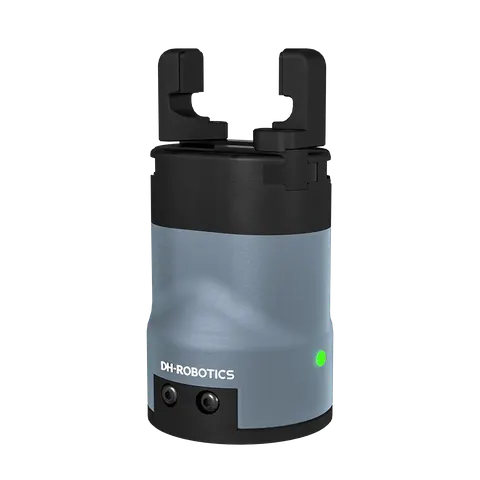
A cobot assembly cell combines a collaborative arm with an electric gripper, often a six-axis force/torque sensor for insertion and pressing, and a camera for part location. Shortlist by payload and reach, then confirm tool-flange compatibility, force-control software, cycle time on your parts and the risk assessment for the cell.
Assembly tasks such as insertion, screwing and pressing reward sensing more than speed. A force/torque sensor lets the robot feel alignment, and a camera tolerates part position variation. The cell is only collaborative once its full application, not just the arm, passes a risk assessment.
Components you need
| Component | Role in the system | Parameters to specify |
|---|---|---|
| Collaborative Robots | Collaborative arm |
|
| Hands & Grippers | Electric gripper |
|
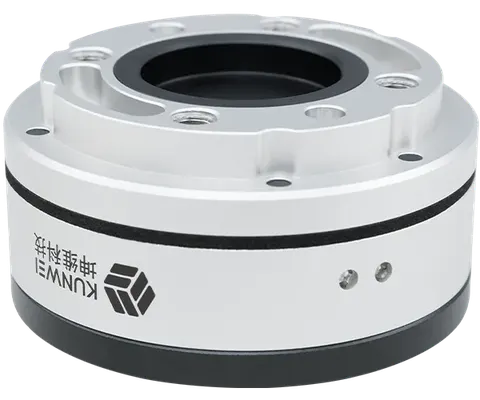
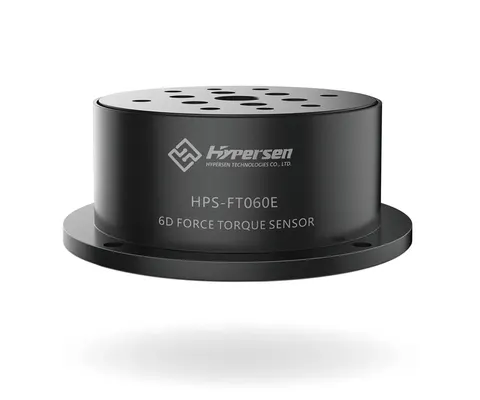
| Force & Torque Sensors | Force feedback for insertion and pressing |
|
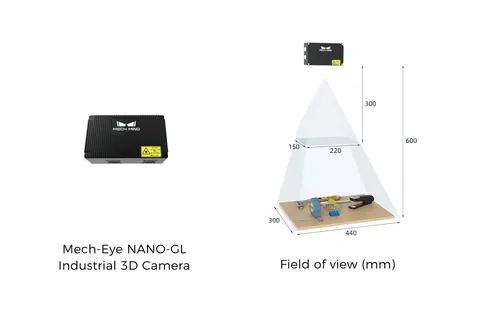
| 3D Vision | Part location |
|
Model combinations to shortlist
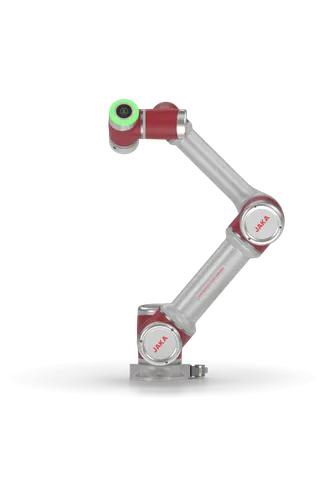
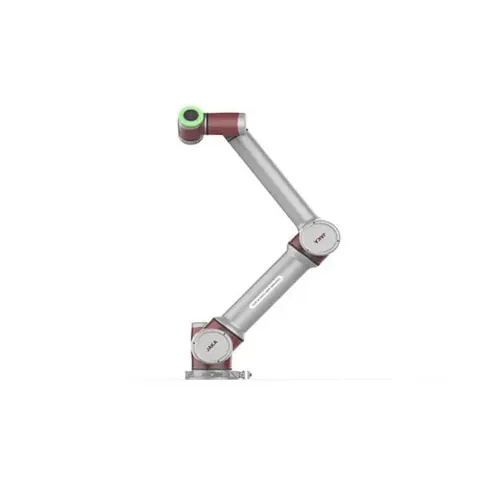
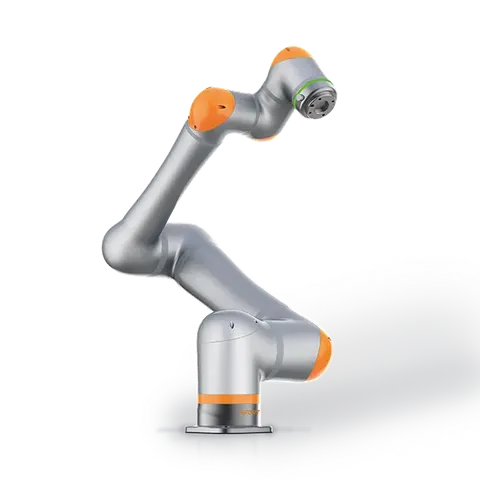
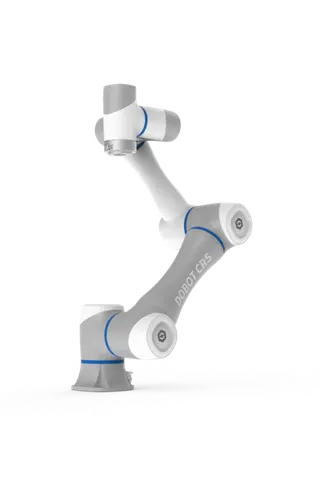
Collaborative arms
Cobots in common payload classes; compare reach and payload on each model page.
Grippers and force sensing
Electric grippers and six-axis sensors with documented specifications.
- Measurement axes
- Fx, Fy, Fz, Mx, My, Mz
- KWR75A ranges
- Fx/Fy/Fz: 50 N; Mx/My/Mz: 2 N·m
- KWR75B ranges
- Fx/Fy/Fz: 200 N; Mx/My/Mz: 8 N·m
Part location
3D cameras for locating parts in the cell.
- Technology
- Structured light (LED)
- Depth Range
- 300-600 mm
- Depth Accuracy
- 0.1 mm @0.5 m
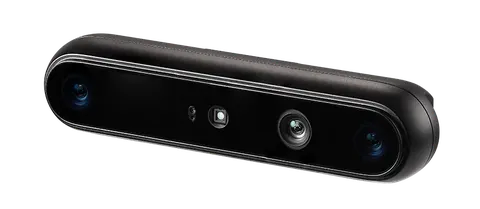
- Technology
- Active and passive stereo IR
- IP Rating
- IP65
- Interface
- USB 3.0 Type-C
Common integration issues
- Payload budget
- The gripper, sensor, adapter plates and part all count against the cobot's payload. Calculate the total and its centre of mass before choosing the arm.
- Controller support
- Force/torque sensors and grippers need drivers or plugins for the cobot controller. Confirm support for the exact controller and software version.
- Risk assessment
- Collaborative operation depends on the whole application. Plan the risk assessment and any guarding with your safety specialist.
Related guides
FAQ
Do I need a force/torque sensor if the cobot has joint torque sensing?
Joint-based force estimation suits collision detection and simple guiding. Precise insertion and pressing usually benefit from a wrist-mounted six-axis sensor.
What should I send for a cell proposal?
Part drawings or samples, the assembly sequence, cycle time target, available floor space and the controller you prefer.
Planning a robotics purchase? Share the quantity, configuration and destination so we can check fit, availability and quote requirements.
Request a quote— The Sourcebotics sourcing desk