How to Evaluate Robot Component Samples Before a Production Order
Source: https://sourcebotics.com/guides/robot-component-sample-evaluation/
Short answerA sample evaluation turns a datasheet into evidence. Agree the exact configuration and the test plan before the samples ship, check the documents and markings on arrival, measure the few properties your design depends on under your own conditions, and record the results in a form the supplier can act on. Only then lock the configuration and order in volume.
Why samples are worth the time
Datasheets describe a component under the manufacturer's test conditions: a particular heat-sink plate, supply voltage, ambient temperature, firmware version and load. Your robot will impose different conditions. A joint module that delivers its rated torque on a large aluminium plate may overheat inside a closed limb; a force/torque sensor that meets its accuracy at room temperature may drift near a motor. Samples are the cheapest point at which to discover these differences, before tooling, wiring harnesses and software are designed around them.
Before the samples ship
Fix the configuration. Write down the exact model code, firmware version, interface, cable length, connector, flange or mounting option and any customisation. Many Chinese manufacturers build several variants under one series name, and the sample you test must be the variant you will buy.
Agree the documents. Ask for the datasheet, 2D drawing and 3D model, communication protocol or SDK, user manual and, where relevant, the calibration certificate or factory test report for each serial number.
Share your test plan. Tell the supplier what you will measure and under which conditions. A good supplier will point out conditions that fall outside the rated envelope and may suggest a better-matched model before you spend time testing the wrong one.
Order enough units. One sample shows whether a component can work; two or three show whether it is consistent. For joint modules and sensors, testing at least two units separates a defective unit from a design limitation.
Incoming inspection
Unpack and inspect before connecting power. Compare the label, model code and serial number with the order and the shipping documents. Check connectors, cable strain relief, fasteners and the condition of mounting faces. Weigh the unit and measure its key mounting dimensions against the drawing. Photograph anything that does not match, because these records are what a supplier needs to resolve a claim.
| Check | What to compare | Record |
|---|---|---|
| Identity | Label, model code, serial number, firmware version | Photo of label and software readout |
| Documents | Datasheet revision, drawing, test report or calibration certificate | File names and revision letters |
| Mechanical | Mass, mounting pattern, shaft or flange dimensions | Measured values against drawing |
| Electrical | Connector type and pin-out, supply range | Pin-out check before first power-on |
| Condition | Damage, contamination, loose parts | Photos on arrival |
Functional and performance tests
Test what your design depends on, under conditions that resemble your use. The list below covers the components most often sampled for research robots and automation cells.
Joint modules and actuators. Communication with your controller in each control mode you intend to use; position, speed and torque response; temperature rise at your continuous torque on your mounting plate; back-driving torque if the joint must be compliant; encoder behaviour after power cycling; brake engagement if fitted.
Reducers. Lost motion and backlash at small reversing loads; torsional stiffness; no-load starting torque; temperature at your speed and duty cycle; noise and vibration at operating speed.
Force/torque sensors. Zero offset after warm-up; response to known weights on each axis; crosstalk when one axis is loaded; drift over a realistic task duration; behaviour of the digital interface at your sampling rate.
Tactile sensors. Frame rate delivered through the stated interface; response to known forces; repeatability over repeated presses; wear of the contact surface after a defined number of cycles; SDK and data format.
Cameras and LiDAR. Range and accuracy against targets of known distance and reflectivity; performance in your lighting; time synchronisation; driver support on your operating system and ROS version.
Recording and sharing results
Write a short report for each sample: the configuration tested, the set-up, the method, the measured values and the pass or fail decision against your requirement. Keep raw data files. Where a result falls short, send the report with photos and data to the supplier and ask for an explanation and a corrective proposal. A clear report gets faster and more useful answers than a general complaint.
From sample to production order
Before ordering in volume, confirm in writing that production units will match the approved sample: same model code, firmware, materials and suppliers of key parts. Agree how changes will be notified. Ask for the production lead time, the inspection that will be carried out before shipment, and whether test reports will be supplied per serial number. If the order is large, consider a pre-shipment inspection against the same checks you ran on the samples.
Checklist
- Configuration, firmware and documents agreed before shipment.
- At least two units for components that set robot performance.
- Incoming inspection recorded with photos.
- Tests run under your mounting, power and temperature conditions.
- Results reported to the supplier with data.
- Production configuration and change notification confirmed in writing.
Sources
FAQ
Do suppliers charge for samples?
Usually yes, at or near the unit price for small quantities, plus shipping. Some suppliers credit the sample cost against a later production order; ask before ordering.
How long should an evaluation take?
Plan for two to six weeks for components, depending on how much integration is needed. Agree the timeline with the supplier so the quotation stays valid while you test.
What if the sample passes but production units differ?
This is why the approved configuration and change notification should be written into the order. Keep one approved sample as a reference unit for later comparison.
Planning a robotics purchase? Share the quantity, configuration and destination so we can check fit, availability and quote requirements.
Request a quote— The Sourcebotics sourcing desk
Related products
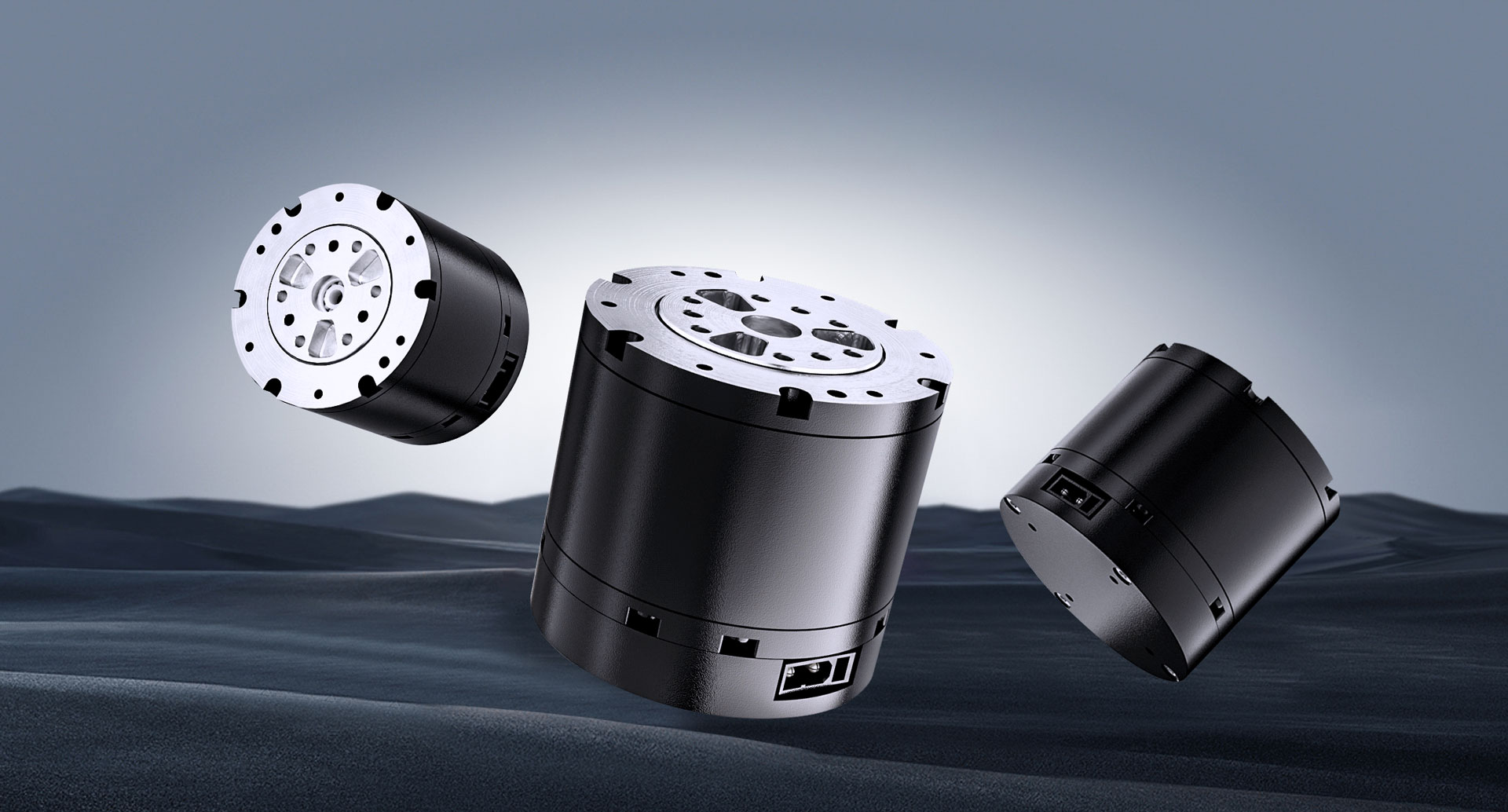
- Peak Torque
- 14 N·m; short-duration load
- Nominal supply
- 48 VDC
- Encoder arrangement
- 2 magnetic encoders; 14-bit single-turn absolute resolution
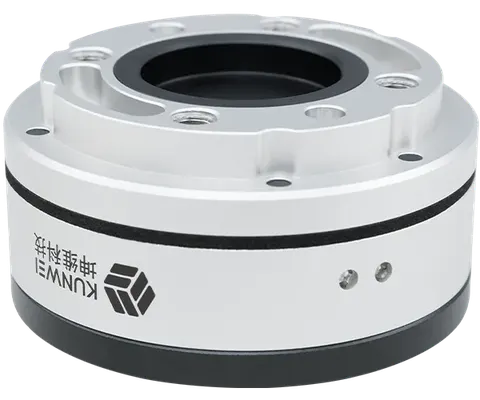
- Measurement axes
- Fx, Fy, Fz, Mx, My, Mz
- KWR75A ranges
- Fx/Fy/Fz: 50 N; Mx/My/Mz: 2 N·m
- KWR75B ranges
- Fx/Fy/Fz: 200 N; Mx/My/Mz: 8 N·m