
APPLICATION
Teleoperation and Data Collection Rigs
Short answer
A data collection rig pairs arms and hands that can be commanded at a steady rate with cameras and, often, tactile sensors that record what the robot feels. Choose hardware whose SDK streams joint states and sensor data with timestamps, and plan synchronization and storage before buying more arms.
Teleoperation is now a common way to collect demonstrations for learning-based manipulation. The quality of the dataset depends less on any single specification than on how reliably every device reports its state, how well the streams line up in time, and how easily the rig can be repeated across stations.
Components you need
| Component | Role in the system | Parameters to specify |
|---|---|---|
| Research Robotic Arms | Follower arms, often in pairs |
|
| Hands & Grippers | Grippers or hands on the follower arms |
|
| Tactile Sensors | Contact data for the dataset |
|
| 3D Vision | Scene and wrist cameras |
|
| Controllers & Compute | Recording and inference |
|
Model combinations to shortlist
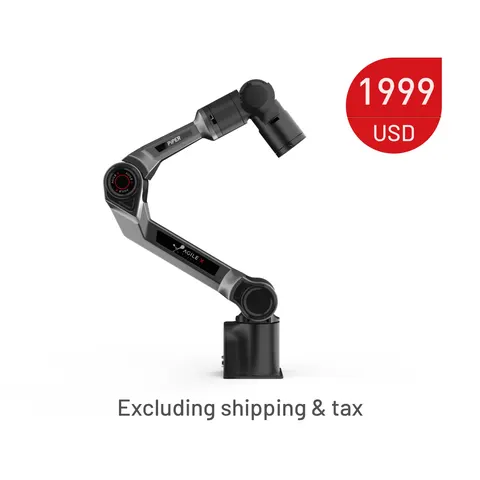
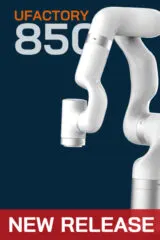
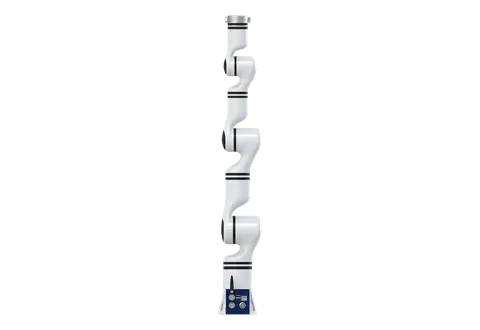
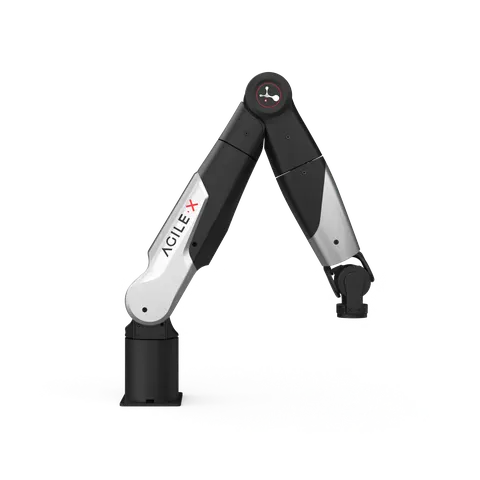
Follower arms
Lightweight arms with documented SDKs that are commonly used in data collection setups.
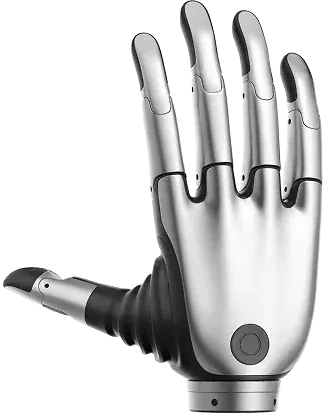
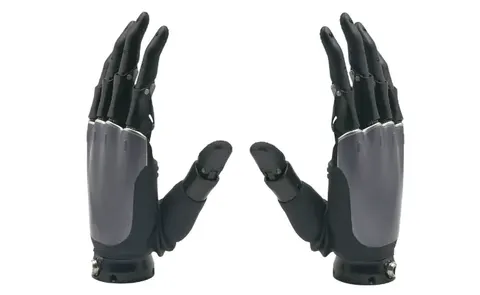
Hands and grippers
End effectors with documented interfaces for scripted and teleoperated control.
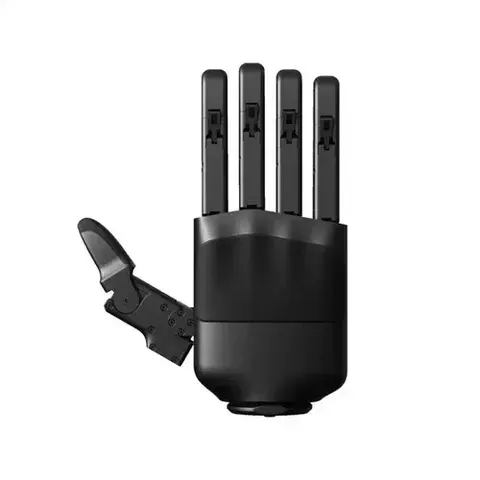
- Degrees of freedom
- 20 total; 16 active
- Hand mass
- 1100 g
- Fingertip force
- 10 N
Tactile and depth sensing
Sensors that add contact and depth streams to each demonstration.
- Dimensions
- 27.9 × 25.7 × 14.4 mm
- Sensor form
- Multidimensional fingertip tactile sensor
- Default force ranges
- Normal 0–25 N; tangential ±10 N; adjustable
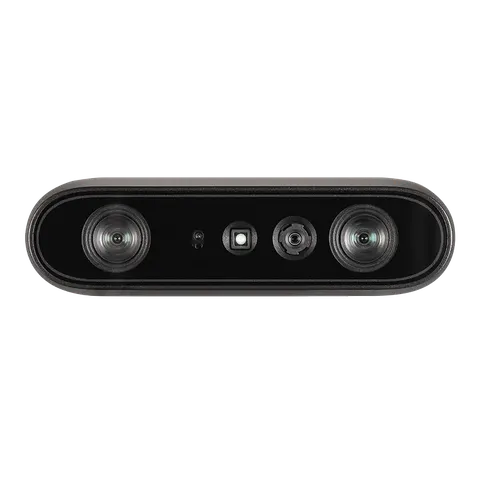
- Technology
- Active and passive stereo IR
- Depth Range
- 0.10-20 m+ (optimal 0.26-3 m)
- Depth Accuracy
- <1.5% @2 m
Common integration issues
- Time synchronization
- Joint states, images and tactile frames arrive through different interfaces. Plan a common clock or hardware trigger, and confirm which devices support it.
- Command latency
- Teleoperation feels poor if commands reach the follower late. Measure end-to-end latency with your leader device, network and the arm's control interface.
- Repeatable stations
- If you plan several rigs, buy identical revisions and record firmware versions so data from different stations stays comparable.
Related guides
FAQ
Do I need tactile sensors for data collection?
Not for every task. Tactile data helps with contact-rich tasks such as insertion and in-hand manipulation; for pick-and-place, cameras and joint states are often enough.
Which software support matters most?
Streaming of joint states at a steady rate, a documented command interface, and ROS 2 or Python examples that run on your operating system.
Planning a robotics purchase? Share the quantity, configuration and destination so we can check fit, availability and quote requirements.
Request a quote— The Sourcebotics sourcing desk