
APPLICATION
Building a Research Humanoid
Short answer
Most labs start from a complete humanoid with developer access and add hands, cameras and compute for their task. Teams building their own robot source joint modules, hands and sensors separately. Either way, confirm the SDK, low-level control access and spare parts before ordering, because those decide how much research the platform supports.
A research humanoid is a system decision rather than a single purchase. The platform's software access sets which experiments you can run, the hands set which manipulation tasks are possible, and joint and battery choices set how long the robot can work between charges and repairs.
Components you need
| Component | Role in the system | Parameters to specify |
|---|---|---|
| Humanoid Robots | Base platform with legs, torso and arms |
|
| Hands & Grippers | Manipulation end effectors |
|
| Actuators & Joint Modules | Joints for a custom-built body |
|
| 3D Vision | Head and wrist depth sensing |
|
| Controllers & Compute | Onboard perception and learning compute |
|
Model combinations to shortlist
Complete research platforms
Full-size and compact humanoids sold with developer access. Compare control access and editions on each model page.
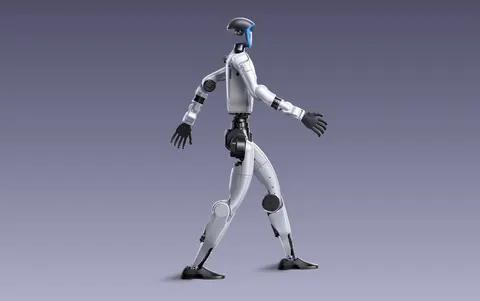
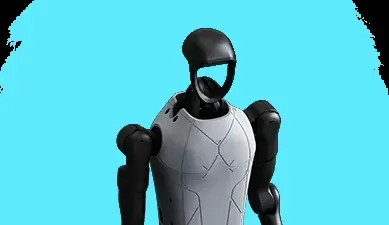
- Height / dimensions
- About 178 cm; table: (1503+285) × 510 × 287 mm
- Weight
- About 70 kg; battery inclusion unspecified
- Body DoF
- 27; 6 per leg, 7 per arm, plus waist
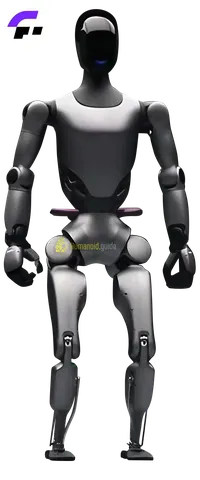

Hands for manipulation research
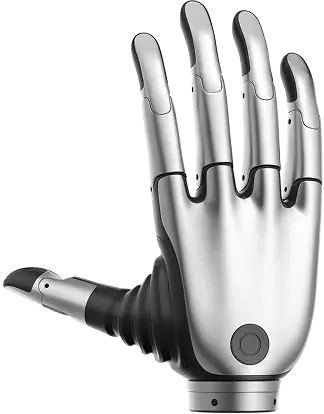
Hands with documented motion definitions and interfaces. Confirm the wrist adapter for your platform.
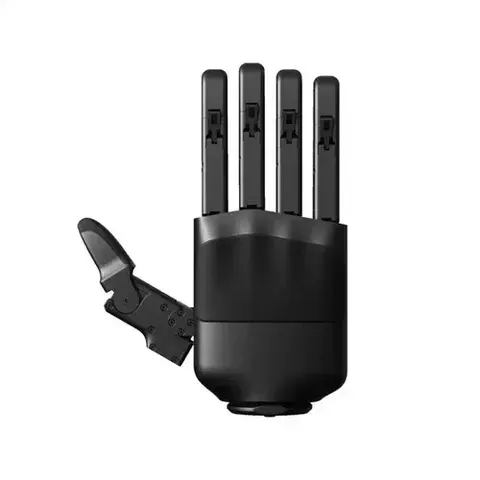
- Degrees of freedom
- 20 total; 16 active
- Hand mass
- 1100 g
- Fingertip force
- 10 N
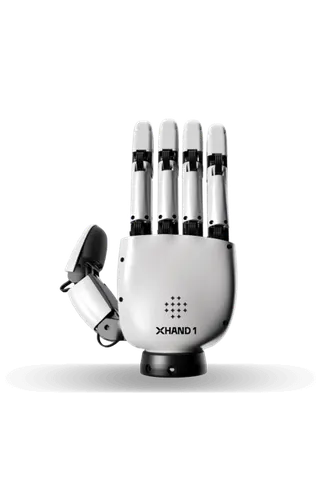
- Active degrees of freedom
- 12; independently driven
- Weight
- 1.1 kg
- Dimensions
- 190.36 × 94 × 47 mm
Joints for a custom build
Joint modules with document-matched torque, ratio and interface data.
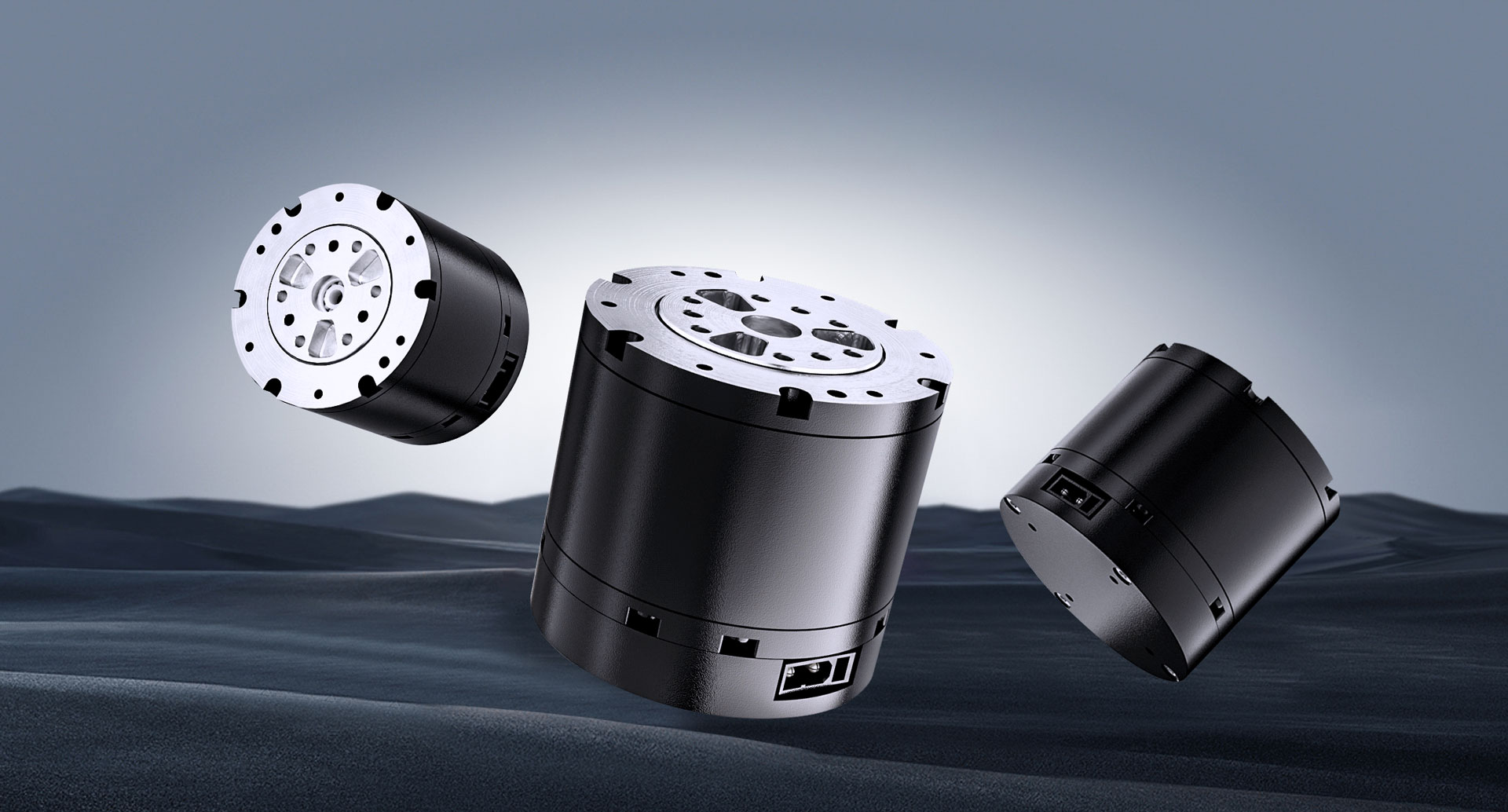
- Peak Torque
- 14 N·m; short-duration load
- Nominal supply
- 48 VDC
- Encoder arrangement
- 2 magnetic encoders; 14-bit single-turn absolute resolution
- Rated Torque
- 3.5 N·m
- Peak Torque
- 12.5 N·m
- Rated speed
- 120 rpm
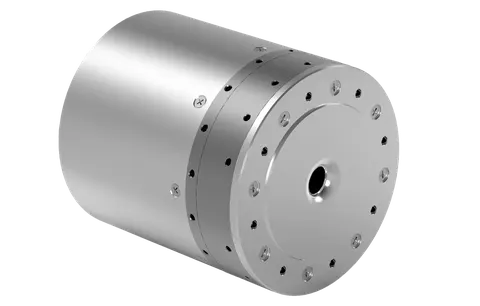
- Rated Torque
- 120 N.m
- Rated Speed
- 30 rpm
- Reduction Ratio
- 100:1
Perception
Depth cameras commonly used for head and wrist sensing.
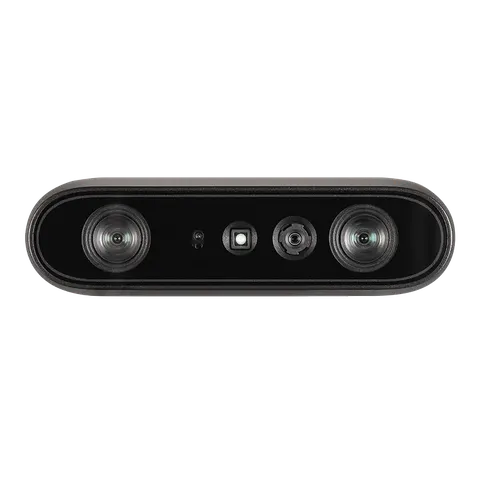
- Technology
- Active and passive stereo IR
- Depth Range
- 0.10-20 m+ (optimal 0.26-3 m)
- Depth Accuracy
- <1.5% @2 m
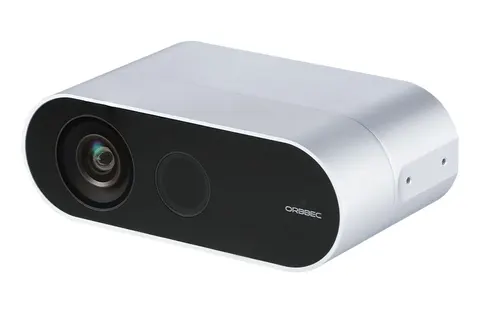
- Technology
- Time of Flight (850 nm)
- Depth Range
- 0.25-5.46 m (mode dependent)
- Depth Accuracy
- <11 mm + 0.1% of distance; random error <=17 mm
Common integration issues
- Low-level control access
- Some editions expose only high-level motion commands. If your research needs joint torque or position control, confirm the edition, SDK version and any licensing in the quotation.
- Hand and wrist compatibility
- A hand from another manufacturer needs a mechanical adapter, power and a communication path through the arm. Confirm the adapter, cable routing and payload margin before ordering.
- Compute power and heat
- Adding a GPU or AI module raises power draw and heat in the torso. Check the platform's auxiliary power output and the space available for cooling.
- Repairs and spares
- Falls damage joints and covers. Agree spare joints, the repair process and turnaround time before the robot arrives.
Related guides
FAQ
Should we buy a complete humanoid or build one?
Buy a complete platform if your research is in control, learning or manipulation. Build only if the mechanism itself is the research topic, because integration takes considerable engineering time.
What should be in the quotation?
The edition and software access, hands and tactile package, battery and charger, spare parts, documentation, training, warranty and delivery terms.
Planning a robotics purchase? Share the quantity, configuration and destination so we can check fit, availability and quote requirements.
Request a quote— The Sourcebotics sourcing desk